
The Italian American Foodways Project explores and studies the diverse food cultures of immigrant Italian neighborhoods and regions throughout the United States.
As part of the Coccia Institute for the Italian Experience inAmerica at Montclair State University, was New Jersey, the Italian American Foodways Project shares oral histories, produces films and podcasts, publishes original writing, and hosts events that explore, celebrate, and debate Italian American food. Culinarily, the IAFP views the United States as the 21st region of Italy, with its own legitimate food culture.
The Coccia Institute for the Italian Experience in America is an academic institution that advances and celebrates Italian American culture, serving as an engine for explorations into the rich history of Italians and Italianità —“Italian spirit”—in the United States in the arts and humanities, business and politics, foodways, and popular culture.
Italian American culinary traditions are rooted in Italy, but are also distinctly American. During the 19th century Italian diaspora, millions of Italians departed Italy looking for a better life, many heading to the Americas. More than 9 million arrived in the United States before World War II. They brought with them their culinary traditions, and combined those with new ones found here.
During this period, the majority of Italian immigrants departed from the Mezzogiorno, the southern half of Italy including Sicily and Sardinia. Italy had united politically during the mid-19th century, but culturally and economically, many differences remained. The south generally remained poorer and less industrial than the north. The agricultural economy left many in a state of perpetual poverty, and at times, near starvation.
The United States was the land of plenty. The wealth and richness experienced by immigrants became known as the abbondanza, the great abundance. Even with low wages and discrimination from more established immigrant groups, life in the United States for Italians yielded a higher quality of life than they could achieve in Italy, and many wrote home to their families encouraging them to make the journey.
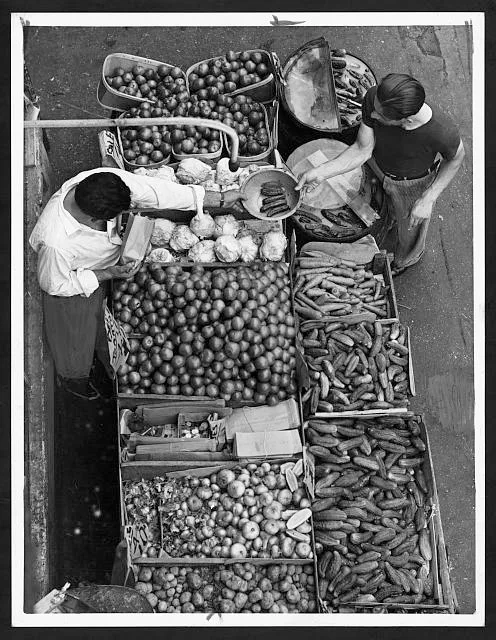
The abbondanza changed the way immigrants ate. They invented new dishes and reinterpreted others. Many regularly ate meat for the first time in their lives. Some established businesses and factories to serve the immigrant community, growing them into large industries targeting customers beyond their ethnic group.
World War II changed how many Americans perceived Italian food. American G.I.s ate pizza in Italy, and back at home, the evolution of gas-powered pizza ovens allowed pizza to become widely available in neighborhood pizzerias. Restaurants serving Italian American food offered fine dining experiences, and as fast-food burger chains grew in popularity, so did chains serving pizza, pasta, and breadsticks.
Immigration patterns changed after the Second World War as well. Migration from the south of Italy slowed. The north of Italy, once an industrial powerhouse, had been decimated by the war, and many people of northern Italian origin left. The changing migration patterns, and the trends in how Americans ate, influenced the evolution of Italian food in America in the latter half of the 20th century. Marketed as "northern" and "authentic" Italian cuisine, many of the Italian American traditions and the restaurants, the "red sauce" joints, began to disappear.
Today, dishes like pizza and spaghetti are as American as they are Italian. Many Italian American dishes have become part of the national cuisine, available in every corner of the country as fast food or fine dining. Other dishes remain regional specialties, known only to a small region where the dishes developed. The Italian American Foodways Project aims to preserve these traditions, the culture, and the recipes, examine how they came into existence, and ensure they remain available for generations to come.
if you are are looking for more information about the Italian American Foodways Project, the upcoming symposium, or other programs, please reach out with your request and include your name, email address, and phone number so we can get back to you as soon as possible.