The preservation of Italian American recipes ensures a connection to our shared culture and the legacy of the immigrants of the Italian diaspora. Our searchable database of Italian American recipes and the stories of the people behind them is an integral part of the Italian American Foodways project.
Add your recipe to our database of Italian American recipes. We're collecting family recipes, history, and lore.
Submit Your RecipesLearn how to preserve your family recipes for you and future generations by following our guide.
Lorem ipsum dolor sit amet, consectetur adipiscing elit. Suspendisse varius enim in eros elementum tristique. Duis cursus, mi quis viverra ornare, eros dolor interdum nulla, ut commodo diam libero vitae erat. Aenean faucibus nibh et justo cursus id rutrum lorem imperdiet. Nunc ut sem vitae risus tristique posuere.
Recipes hold the key to family secrets. Food provides families a link to their past and their heritage. Tasting a long-forgotten, but familiar flavor can unlock memories of people, happy times, and places. Too often, those recipes are lost with the death of a family member.
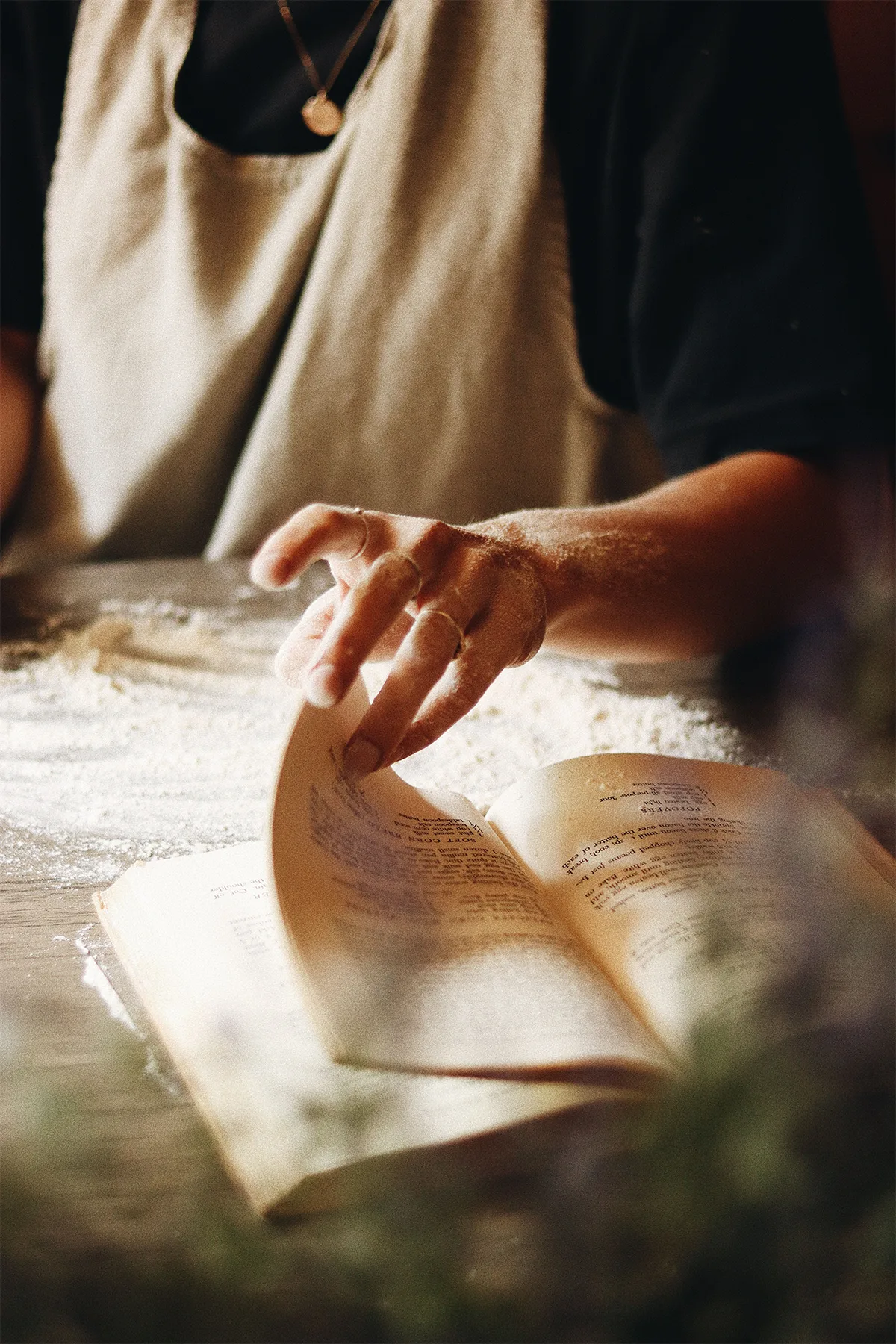
Recipes were traditionally transmitted between generations through participation. Children cooked alongside parents who cooked alongside grandparents. In some households, a written recipe was a betrayal, either because it meant giving away a long protected family secret, or because it revealed the recipe came from the back of a box of store bought pasta.
Even when recipes are written down, information can be lost. My great grandmother's recipe for cucidati called for measuring ingredients using a specific glass cup long ago lost. My mother has struggled to recreate the recipe ever since.
As parents age, as we become parents ourselves, preserving those memories and traditions becomes all the more important. Here's a look at how to approach preserving your family's legacy.
The easiest way to preserve your family traditions is simply to ask the keeper of the family recipes while they are still alive. Don't wait. Hopefully, the elders in your family are willing to share their secrets. Not everyone is, and it may require cajoling them with the promise of keeping the family secrets safe.
Some people don't write down their recipes. The only way to create a recipe is to make the food with them and record the ingredients, quantities, and instructions. Cook with them, and take notes. Consider recording the process, too. A video or even just an audio recording can be referenced later, and a transcription can be used to create a written recipe that will be easier to follow in the future. And you'll also end up spending time with the elder members of your family.
Look over the recipes your family member has provided. If the recipes are handwritten, make sure you can read the handwriting. If the recipe mixes in different languages, outdated terms for products, or ingredients that no longer exist, ask what they are. Confirm the quantities are accurate and determine what the unit of measures are. If their recipes rely on a unique object for measurements, you need to determine what those measurements are using standard ounces, cups, or teaspoons.
An accurate recipe is helpful, but practicing the recipe will help you understand how to make it. Touching, feeling, tasting, and watching as it comes together will improve your understanding. Testing the recipe is also a great way to confirm that there isn't a step that was left off the original, or something that you missed while recording the recipe. Cooking a recipe can also reveal tips and secrets of preparing the recipe that might not be evident otherwise. Again, this is a great opportunity to spend time with family recreating these recipes.
Once you have a finalized copy of the recipe, be sure to preserve it for the future. The most straightforward way to preserve these recipes is to type them up, print a copy, save them to the cloud, and make backup. Typed instructions don't leave anything to chance when it comes to interpreting handwriting. Digital copies are also easy to share with family members, but keeping a hardcopy ensures you don't lose the recipe if the cloud storage fails.
Not a good typist? Another trick to preserving an existing recipe card is to take a photo with your phone. In some cases image-to-text software can create a digital text copy (but verify the accuracy). Or for a very quick preservation job, simply save the image in a folder of recipes.
A recipe consists of a list of ingredients and quantities and the instructions for turning those ingredients into a final dish. But the stories behind the recipe are often as important for a family legacy. Ask about where the recipes come from, who created it, why it became special to the family, and the significance of holding onto it. This information may not impact how the food is prepared, but it is important for preserving family history.
The stories are the traditions. A recipe that is made for specific holidays, and only those holidays, loses some meaning without that context. If a recipe is served only on Christmas Eve, asking about that tradition preserves the context. Those stories are part of the fabric of heritage, and are as important as the ingredients and instructions of a recipe.
We are collecting recipes to help preserve the legacy of Italian American culinary traditions, and to aid researchers in tracking those traditions. We want to know your stories! Tell us about your recipe, who taught it to you, and where it came from.